
WJ2 | Exploring the Fascinating World of Mahjong
WJ2’s Discover the rich history and intricate gameplay of Mahjong, the tile-based game that has captivated enthusiasts across the globe, now thriving in the digital age with platforms like WJ2.
Exploring the Fascinating World of Mahjong
Understanding the Basics of Mahjong
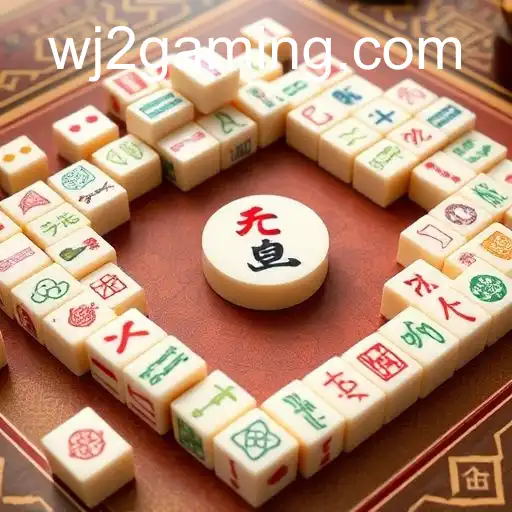
Mahjong is a tile-based game that originated in China and has captivated players around the world with its intricate design and strategic depth. Played with a set of 144 tiles, Mahjong is a game of skill, strategy, and calculation involving four players. Each tile set includes three suits: circles, bamboo, and characters, along with honor tiles consisting of winds and dragons, and optional flowers and seasons.
The History of Mahjong
Throughout history, Mahjong has evolved, reflecting cultural nuances and regional preferences. The earliest incarnation is believed to have come to being during the Qing dynasty, although conclusive historical evidence remains debated among scholars. Over time, Mahjong expanded from China to other parts of Asia, growing immensely popular in Japan, Korea, and Southeast Asia. Its journey into the Western world began in the early 20th century, notably spreading within America during the 1920s.
Mahjong's Global Variants
Mahjong's expansion globally has resulted in a variety of variants, each embedding unique rules and styles. As the game traversed borders, cultures adapted the rules to suit their social contexts. One of the most recognized variants is the Japanese style, known for its distinctive scoring system and the inclusion of ‘riichi’, a call that signals readiness to win with just one tile. The American variant, authenticated by the National Mah Jongg League, introduces additional complexities with an annual card defining new hands and rules.
Strategic Elements of Mahjong
At its core, Mahjong is a game of strategy. Players must adapt their approaches depending on the tiles they draw and the actions of their opponents. Strategic thinking is essential as players discern whether to pursue a concealed hand or to open their hand progressively through pung or chow formations. The ultimate goal remains to form a complete hand, typically consisting of four sets and a pair, to declare ‘Mahjong’.
Reading Opponents and Anticipatory Moves
Like many strategic games, success in Mahjong requires keen observation of one's opponents. By paying close attention to discards and meld calls, players can gain insights into the intentions and potential tile needs of others. This level of strategizing and anticipation is what solidifies Mahjong as a game not merely of chance but of wit and cunning.
Learning Curve for New Players
While Mahjong's complexity can seem daunting to newcomers, learning the game can be an enriching experience. Beginners often start with understanding basic sets and simple hand formations before gradually building proficiency. The introduction of modern Mahjong platforms has aided in learning, providing interactive tutorials and competitive online environments for skill enhancement.
The Digital Revolution of Mahjong
In the age of digital gaming, Mahjong has found a unique niche, blending traditional gameplay with modern technology. Numerous online platforms offer Mahjong in various styles, enabling enthusiasts from across the world to connect and compete. These digital spaces have played a crucial role in sustaining and expanding interest in the game, particularly appealing to younger audiences that prefer gaming online.
The Role of WJ2 in the Mahjong Community
The keyword "WJ2" has been associated with a burgeoning Mahjong community platform that integrates innovative features for avid players. Known for its efforts to bridge traditional and modern gaming, WJ2 introduces new challenges and learning modules that appeal to both veterans and newcomers alike. It epitomizes the digitization of Mahjong, pairing cultural tradition with cutting-edge technology.
The Future of Mahjong
The future of Mahjong looks promising as it continues to adapt and thrive in the digital world. As more people discover the allure of this classic game, platforms like WJ2 are crucial, offering extensive resources to learn, compete, and engage with enthusiasts globally. The evolution of Mahjong embodies the melding of historical roots with futuristic aspirations, promising a continued legacy for generations to come.
Conclusion
Though Mahjong has ancient origins, it remains a vibrant and dynamic game, rich with strategic depth and cultural significance. Its adaptation into digital formats like WJ2 suggests a bright future where tradition and innovation coexist, continuing to captivate and challenge players around the globe.
